South Bay & Los Angeles' Premier Heating and Air Conditioning Company

tel. 310.530.0504
24hr phone lines!

- Provide preventive maintenance on your HVAC systems
Over time dust, dirt, debris, bacteria, etc. will build up in the air conditioning and heating systems.
Prevent maintenance helps this by keeping your system running smoothly year-round. - Don't have home air conditioning yet?
We can help!
- Chiller Repair Service & Installation
From Commercial to Industrial Air Cooled Chillers & Cooling Towers we provide HVAC Preventative Maintenance to keep
your system running smoothing and efficiently, call us for today 310-530-0504


Are You Having Heater Problems?
In This Section:
Baseboard Heating Systems
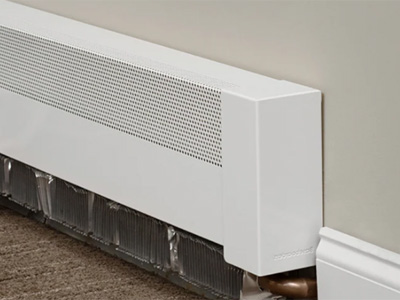 Baseboard heating remains a dependable and efficient heating solution for many homes and commercial spaces throughout California. Known for its quiet operation, even heat distribution, and space-saving design, baseboard heating is especially common in older properties, apartments, offices, and supplemental heating applications. At California Air Conditioning Systems, Inc., we provide professional baseboard heating service, repair, and maintenance to help property owners keep these systems operating safely, efficiently, and reliably year after year.
Whether you rely on baseboard heaters as your primary heat source or as part of a zoned heating setup, proper care and timely service make a noticeable difference in comfort, energy use, and system lifespan.
How Baseboard Heating Works
Baseboard heating systems operate on a simple but effective principle: natural convection. Cool air is drawn in through the bottom of the unit, heated internally, and then released from the top as warm air that rises and circulates throughout the room.There are two main types of baseboard heating systems:
- Hydronic (Hot Water) Baseboard Heating: Hydronic systems use hot water circulated through copper tubing inside the baseboard unit. Aluminum fins attached to the tubing help transfer heat efficiently into the surrounding air. These systems are typically connected to a boiler and are valued for their consistent, long-lasting warmth and energy efficiency.
- Electric Baseboard Heating: Electric baseboard heaters use an internal heating element powered by electricity. As air passes over the heated element, it warms and rises into the room. Electric systems are often used in smaller spaces, additions, or areas without access to ductwork or boilers.
Why Baseboard Heater Maintenance Matters
Over time, baseboard heaters naturally collect dust, pet hair, and debris. Because these units sit near the floor, they are especially prone to buildup that can restrict airflow and reduce heat output. In some cases, dirty baseboard heaters can even emit unpleasant odors when dust burns off during operation.Routine maintenance provides several key benefits:
- Improves heat output and room comfort
- Reduces energy consumption and utility costs
- Prevents uneven heating and cold spots
- Extends the lifespan of the heating system
- Helps identify small issues before they become costly repairs
Signs Your Baseboard Heater Needs Service
Many homeowners assume baseboard heaters "just stop working," but there are often warning signs that appear well before total failure. Common indicators include:- Rooms not warming evenly
- Reduced heat output compared to previous seasons
- Clicking, popping, or rattling sounds
- Burning or dusty odors when the heater runs
- Visible dust buildup or bent fins
- A heater that turns on but does not produce heat
What to Try If Your Baseboard Heater Isn't Working
If your baseboard heater isn't producing heat, there are a few basic checks you can safely perform before calling a professional:- Make sure furniture, rugs, or curtains are not blocking airflow
- Check that the thermostat is set correctly and functioning
- Inspect the unit for visible dust buildup
If the heater still fails to perform correctly, the issue may involve electrical components, heating elements, valves, or internal controls-areas that require professional diagnosis.
When to Call a Professional HVAC Technician
Baseboard heating systems may appear simple, but improper repairs can lead to electrical hazards, water leaks, inefficient heating, or long-term system damage. You should contact a licensed HVAC technician if:- The heater produces no heat after cleaning
- Breakers trip or fuses blow repeatedly
- You notice leaks around hydronic baseboards
- Thermostats fail to control temperature properly
- Heating is inconsistent across multiple rooms
Professional Baseboard Heating Services
Our team provides comprehensive baseboard heating support, including:- Detailed system inspections
- Internal cleaning and airflow optimization
- Electrical and control troubleshooting
- Valve and piping evaluation for hydronic systems
- Thermostat calibration and replacement
- System performance testing
Reliable Baseboard Heating You Can Count On
Baseboard heating remains a practical and effective solution when properly maintained. With routine care and professional service, these systems can deliver quiet, efficient heat for decades. Whether you need seasonal maintenance, system troubleshooting, or expert advice on improving performance, California Air Conditioning Systems, Inc. is here to help.Contact us today on 310-530-0504 or via our online form to schedule baseboard heating service and ensure your home or business stays warm, comfortable, and energy-efficient all season long.

Go back to main heating page >>